BioVie Announces Topline Results of Phase 2 SUNRISE-PD Trial of Bezisterim in Early Parkinson’s Disease
Patients treated with bezisterim demonstrated statistically significant improvements compared to placebo on both motor

Press Release Disclaimer: This is a press release distributed through the XPR Media network. It has not been independently verified by our newsroom.
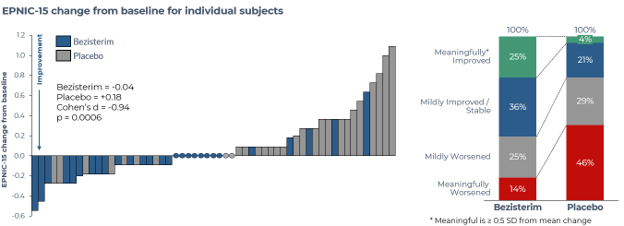

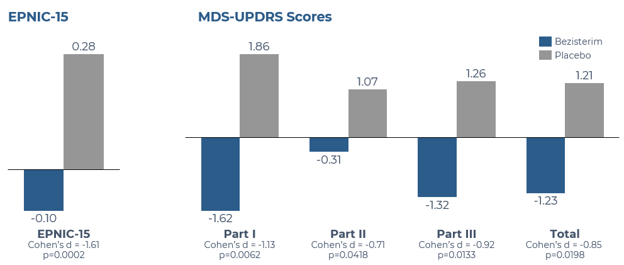
Patients treated with bezisterim demonstrated statistically significant improvements compared to placebo on both motor and non-motor symptoms, as assessed by MDS-UPDRS1 Parts I, II, and III, as well as a composite endpoint comprising 15 clinically relevant measures.
Bezisterim treatment appeared to have a beneficial impact on plasma biomarkers of neurodegeneration and reduced biomarkers of both neuro- and systemic-inflammation.
Bezisterim treatment appeared to have a broad, proteome-wide impact, with 283 of 380 proteins shifting in the direction that has been shown to suggest slowing of disease progression.
Conference call scheduled for 4:15 p.m. on August 12, 2026, to discuss results.
CARSON CITY, Nev., Aug. 06, 2026 (GLOBE NEWSWIRE) — BioVie Inc. (NASDAQ: BIVI) (“BioVie” or the “Company”), a clinical-stage company developing innovative drug therapies for neurological and neurodegenerative diseases, today announced results from the Company’s Phase 2 SUNRISE-PD trial evaluating its drug candidate bezisterim in early-stage Parkinson’s disease (PD).
The SUNRISE-PD trial was a Phase 2, multicenter, randomized, double-blind, placebo-controlled trial designed to establish proof-of-mechanism and proof-of-concept in patients with early-stage PD that had not previously been treated with carbidopa/levodopa. Under the statistical analysis plan submitted to the U.S. Food and Drug Administration (FDA), the study’s primary pharmacodynamic assessment focused on changes in a predefined panel of blood-based inflammatory markers of disease. The study also evaluated motor and non-motor endpoints, clinician-rated outcomes, quality-of-life, and safety and tolerability measures to assess bezisterim’s activity and clinical profile in early PD, with the goal of informing the design of a potentially pivotal Phase 3 trial.
The trial successfully met prespecified endpoints and achieved its objectives, with topline results showing that bezisterim improved blood based inflammatory markers of disease, along with a broad range of biological markers associated with overall cellular health and nerve cell damage. Participants treated with bezisterim experienced greater improvements than those receiving placebo across a series of clinical outcome measures of daily living, motor symptoms, and non-motor symptoms.
“Topline results of the SUNRISE-PD trial are encouraging and demonstrate the potential for bezisterim to address significant unmet clinical needs in Parkinson’s disease through a differentiated therapeutic approach that targets the underlying disease biology, rather than focusing solely on symptomatic treatment provided by currently approved therapies,” said Cuong Do, President and CEO of BioVie. “These exploratory results suggest that bezisterim may have the potential to become the first drug candidate to improve clinical outcomes in Parkinson’s disease beyond motor symptoms. The findings also indicate a potentially differentiated profile, with effects on underlying proteomic and biomarker endpoints, potential neurodegenerative benefits, and improvements across both motor as well as non-motor clinical outcomes. Collectively, these results highlight bezisterim’s potential to represent a meaningful advance in Parkinson’s disease treatment and provide a strong foundation for its continued clinical development.”
The majority of patients treated with bezisterim showed improvement on EPNIC-15,2 a composite endpoint encompassing 15 clinically relevant motor and non-motor measures of PD. In contrast, patients receiving placebo showed a change in the opposite direction (bezisterim =
-0.04, placebo = +0.18, Cohen’s d = -0.94, p=0.0006). EPNIC-15 aligns clinical outcome measurements from UPDRS Parts I (non-motor symptoms), II (activities of daily living), and III (motor symptoms), as well as PDSS-2 (sleep) with bezisterim’s proposed mechanism of action, providing a sensitive tool to evaluate anti-inflammatory treatment effects in early PD.
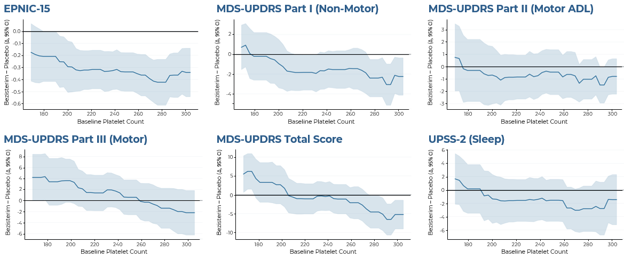
While bezisterim appeared to demonstrate an effect across the trial population, the greatest improvement was seen in those with higher levels of inflammation at baseline. Baseline platelet concentration, a biomarker associated with inflammatory status, identified subgroups in which treatment effects were more pronounced, providing further support for a potential role of inflammation in Parkinson’s disease.3 Among patients with baseline platelet counts >230 x103/µL, who represent approximately one-half of the trial population, bezisterim treatment was associated with statistically significant advantages over placebo across all clinical measures evaluated, including EPNIC-15 and MDS-UPDRS Parts I, II, and III, and MDS-UPDRS Total. These findings provide a framework for patient selection for a future Phase 3 trial design.
Platelet levels may help enrich future trials for PD patients more likely to show a robust response rather than serving as a basis for excluding subgroups, as bezisterim’s treatment effects were observed across the platelet spectrum.
“Improvement across both motor and non-motor domains of the MDS-UPDRS is encouraging because these measures represent clinically meaningful outcomes recognized by physicians, patients, and the FDA,” said Dr. Mark Stacy, William E. Murray Professor of Neurology at the Medical University of South Carolina. Dr. Stacy was formerly the Vice Dean of Clinical Research at Duke University and has published over 200 manuscripts and the textbook Handbook of Dystonia. “The finding that treatment effects were greater in patients with higher platelet levels supports the rationale that reduction in neuronal inflammation remains an unmet need in neurodegenerative disease. It may also provide guidance for evaluating a more targeted patient population in future studies.”
“Non-motor symptoms such as sleep disturbances, fatigue, and autonomic dysfunction are consistently identified among the most burdensome and under-addressed concerns for people living with Parkinson’s disease, a finding reinforced by our recent State of the Community Survey,” said James Beck, PhD, Chief Scientific Officer of the Parkinson’s Foundation. “The results of this trial could represent a meaningful advancement in Parkinson’s treatment and help to address a significant unmet need in care.”
Bezisterim treatment was associated with statistically significant improvements in several central and peripheral biomarkers of neuroinflammation (CCL2, CHI3L1, VGF) and systemic inflammation (including the monocyte-to-lymphocyte ratio (MLR), the Systemic Inflammation Response Index (SIRI), and individual biomarkers such as CHI3L1, CCL2, IL-17A, IL-6, IFN-γ, TNFα, others). The composite neuroinflammation measure was -0.28 in patients treated with bezisterim compared with +0.19 for placebo (Cohen’s d = -1.06, p=0.0018), further supporting an effect of bezisterim on neuroinflammatory pathways.
Bezisterim treatment was associated with a broad, proteome-wide impact, with 283 of 380 proteins shifting in the direction of a lower inflammatory burden (binomial p=3.2 X 10⁻²²). This pattern is directionally aligned with prior proteomic and inflammatory biomarker studies in Parkinson’s disease linking inflammatory protein signatures with PD biology, clinical severity, and progression-related outcomes.4,5,6,7 Statistically significant improvements were observed across central nervous system (CNS) and inflammatory biomarkers. Favorable changes were also observed in Aβ42 (p=0.0877) and pTau-217 (p=0.1272). Collectively, these findings provide evidence of biological target engagement and suggest that bezisterim may influence multiple pathways relevant to Parkinson’s disease.
Bezisterim treatment was associated with improvements from mid-study (week 4, V4) to end-of-study (week 12, V6) across a range of neurodegeneration biomarkers, including NfL, GFAP, UCHL1, BN02, and MAPT. The composite neuronal injury signal decreased -0.09 for the bezisterim treatment group compared with an increase of +0.06 for placebo (Cohen’s d = -0.57, p=0.043). NfL levels changed by -0.0148 log₂/week from V4 to V6 with bezisterim compared with +0.0095 log₂/week with placebo (Cohen’s d = -0.746, p=0.008). These biomarker observations are exploratory in nature, and bezisterim’s potential to influence underlying disease progression will require confirmation in future clinical trials.
Bezisterim was well tolerated and demonstrated a safety profile comparable to placebo. The incidence of adverse events was similar between treatment groups (39.3% with bezisterim vs. 51.7% with placebo), with no severe or serious adverse events and only one treatment-related adverse event reported in each group. Most adverse events were mild in severity, while patients receiving placebo experienced a higher number of total adverse events and a greater proportion of moderate adverse events than those treated with bezisterim.
“We are encouraged by the clinical, biomarker, proteomic, and safety findings observed in this focused study of 57 patients over 12 weeks of treatment and look forward to presenting these results at an upcoming medical meeting” said Joseph M. Palumbo, MD, Chief Medical Officer at BioVie. “These exploratory findings strengthen our confidence in bezisterim’s potential to address the broad symptomatic burden of Parkinson’s disease and will inform the design of a future potentially registration study.”
Conference call to discuss results
BioVie management will host a conference call at 4:15 p.m. EDT on August 12, 2026, to discuss the findings and results. A live Q&A session with management will follow the presentation.
To register for the conference call, please visit: https://www.redchip.com/webinar/BIVI/82597296515
Statistical Note
Unless otherwise noted, all p-values reported in this release are nominal and unadjusted for multiplicity, consistent with the exploratory, signal-finding objectives of this Phase 2 study.
Selected Abbreviations
Aβ42: amyloid beta 42
AISI: aggregate index of systemic inflammation
GFAP: glial fibrillary acidic protein
IFN-γ: interferon gamma
MAPT: microtubule-associated protein tau
NfL: neurofilament light chain
NFκB: nuclear factor kappa B
NLR: neutrophil-to-lymphocyte ratio
PLR: platelet-to-lymphocyte ratio
SII: systemic immune-inflammation index
TNF-α: tumor necrosis factor alpha
UCHL1: ubiquitin carboxyl-terminal hydrolase L1
About Parkinson’s Disease
Parkinson’s disease (PD) is the second most common neurodegenerative disorder worldwide, affecting more than 10 million people, including an estimated 1.1 million people in the United States, with nearly 90,000 new diagnoses each year.8
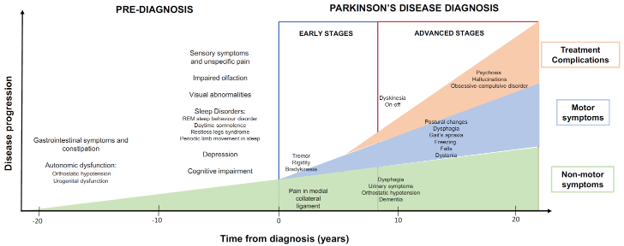
PD is best known for motor symptoms such as tremor, rigidity, slowed movement, and postural instability. However, PD involves neurodegeneration beyond the areas of the brain primarily associated with movement, giving rise to a broad range of non-motor symptoms, including sleep disturbances, cognitive changes, depression, anxiety, fatigue and autonomic dysfunction.9
Some non-motor symptoms may emerge years before a diagnosis of PD10 and can be more troublesome and disabling than movement symptoms.11 Non-motor symptoms are strongly associated with reduced quality of life, yet they remain frequently under-recognized and undertreated.12˒13
The economic burden of Parkinson’s disease and atypical parkinsonism in the United States was estimated at $82.2 billion in 2024, including $58.4 billion in indirect and non-medical costs, and is projected to reach $112.4 billion annually by 2045.14 There remains a substantial need for treatments and care that address both the motor and non-motor manifestations of PD.
About the SUNRISE-PD trial
SUNRISE-PD (NCT06757010) was a Phase 2b, multicenter, randomized, double-blind, placebo-controlled trial designed to establish proof-of-mechanism and proof-of-concept in early-stage Parkinson’s disease (PD) patients naïve to treatment with symptomatic dopaminergic therapy (carbidopa/levodopa). The study leveraged a hybrid decentralized design that lasted 20 weeks from the initial screening phase, a 12-week treatment period, through to the safety follow up.
Following a screening and prospective clinical stability assessment period, 57 eligible participants were randomized 1:1 to receive either 20 mg of bezisterim or matching placebo twice daily for 12 weeks.
The study prospectively evaluated a predefined battery of biologic, clinical, and quality of life assessments to assess a series of motor and non-motor endpoints and evaluate signals consistent with bezisterim’s expected metabolic and anti-inflammatory actions. The trial endpoints and planned analyses were prespecified in the final Statistical Analysis Plan (SAP) submitted to the FDA prior to data unblinding.
The primary pharmacodynamic endpoint was to assess the effect of bezisterim on hematologic inflammatory biomarker indices (MLR, SIRI, NLR, SII, PLR, AISI) and a composite of those markers. Secondary and exploratory endpoints aimed to understand the pharmacodynamic, clinical, safety and tolerability, and to define the profile of bezisterim versus placebo in the study population to design a potentially pivotal registrational Phase 3 trial.
The study was designed to reduce common barriers to participation in PD research, including delayed diagnosis, limited mobility, geographic constraints, and access to specialized care, and allowed patients to participate either from their home or at a clinical site. At-home participants were visited by study nurses who administered a modified MDS-UPDRS Part III and standard Part I and II examinations under the supervision of a physician and MDS-UPDRS expert attending through live video link. The Part III exam was recorded for review and scoring by a central rating committee with a final expert rater review and adjudication.
About Bezisterim
Bezisterim (NE3107) is an investigational oral drug that crosses the blood-brain barrier and works to reduce inflammation and improve insulin sensitivity without suppressing the immune system and with a low risk of drug-drug interactions. By modulating key pathways involved in neuroinflammation (ERK, NFκB, TNFα), bezisterim may have therapeutic potential in several disease indications, including Parkinson’s disease (PD), Long COVID (LC), and Alzheimer’s disease (AD).
In PD, BioVie previously completed a Phase 2 study in which patients with moderate- to severe-stage PD taking bezisterim with levodopa had better motor control and reported fewer morning symptoms compared to those taking levodopa alone. Few drug-related side effects were observed. The current SUNRISE-PD study aimed to establish proof-of-mechanism and proof-of-concept in patients with early-stage PD who had not previously been treated with carbidopa/levodopa.
For LC, the ADDRESS-LC trial is enrolling approximately 200 patients to evaluate whether bezisterim may help reduce brain fog, fatigue, and other lingering neurological symptoms associated with LC. The hypothesis being studied is that these symptoms may be triggered by persistent circulation of spike protein fragments that trigger inflammation via NFκB activation (which bezisterim has been shown to modulate). Topline data is expected late summer 2026.
In AD, BioVie has conducted Phase 2 and Phase 3 trials. Preliminary data from these trials suggest improvements in cognition and biomarkers, supporting further trials to evaluate its potential as a therapy for the six million Americans living with AD.
About BioVie Inc.
BioVie Inc. (NASDAQ: BIVI) is a clinical-stage biopharmaceutical company focused on developing therapies for neurological disorders and advanced liver disease. Its lead investigational drug candidate, bezisterim (NE3107), targets neuroinflammation and insulin resistance, which are believed to be key drivers of Alzheimer’s and Parkinson’s disease. Bezisterim is also being studied for Long COVID, where persistent inflammation is thought to underlie symptoms such as brain fog and fatigue.
In liver disease, BioVie is advancing BIV201, a continuous infusion of terlipressin treatment that has received FDA Orphan and Fast Track designations. The active agent is approved in the U.S. and in about 40 countries for related complications of advanced liver cirrhosis, and the Company plans to study BIV201 in a Phase 3 trial for the reduction of further decompensation in patients with cirrhosis and ascites. For more information, visit www.bioviepharma.com.
Forward-Looking Statements
This press release contains forward-looking statements, which may be identified by words such as “expect,” “look forward to,” “anticipate” “intend,” “plan,” “believe,” “seek,” “estimate,” “will,” “project,” “potential,” “may,” or words of similar meaning. Forward-looking statements in this release include, but are not limited to, statements regarding: the potential for bezisterim to address unmet clinical needs in Parkinson’s disease; the design and conduct of future clinical trials, including a potentially pivotal Phase 3 trial; the potential clinical significance of biomarker and proteomic observations; and the Company’s ability to advance bezisterim through clinical development. The biomarker and proteomic endpoints reported in this release are exploratory in nature. Changes in such biomarkers may not correlate with clinical benefit or support regulatory approval. The FDA has not validated these biomarkers as surrogate endpoints for Parkinson’s disease. Although BioVie Inc. believes such forward-looking statements are based on reasonable assumptions, it can give no assurance that its expectations will be attained. Actual results may vary materially from those expressed or implied by the statements herein due to risks related to the early stage of development of bezisterim and other product candidates, the possibility that results observed in this Phase 2 study of 57 patients over 12 weeks may not be replicated in larger or longer-duration trials, the Company’s ability to successfully raise sufficient capital on reasonable terms or at all, available cash on hand and contractual and statutory limitations that could impair our ability to pay future dividends, our ability to complete our pre-clinical or clinical studies and to obtain approval for our product candidates, the possibility that clinical trial results may not be indicative of results in subsequent or larger trials, our ability to successfully defend potential future litigation, changes in local or national economic conditions as well as various additional risks, many of which are now unknown and generally out of the Company’s control, and which are detailed from time to time in reports filed by the Company with the SEC, including quarterly reports on Form 10-Q, reports on Form 8-K and annual reports on Form 10-K. BioVie Inc. does not undertake any duty to update any statements contained herein (including any forward-looking statements), except as required by law.
For Investor Relations Inquiries:
Contact:
Chuck Padala
Managing Director, LifeSci Advisors, LLC
chuck@lifesciadvisors.com
For Media Inquiries:
Contact:
Melyssa Weible
Managing Partner, Elixir Health Public Relations
mweible@elixirhealthpr.com
| 1 | Movement Disorder Society-sponsored revision of the Unified Parkinson’s Disease Rating Scale |
| 2 | The Early Parkinson’s Neuro-Inflammatory Composite 15 (EPNIC-15) comprises 15 subdomains of UPDRS Part I (Sleep problems, Daytime sleepiness, Constipation), Part II (Hobbies/activities, Tremor (ADL), Walking & balance), Part III (Speech, Toe tapping R, Toe tapping L, Leg agility L, Posture, Rest-tremor constancy), and PDSS-2 (Staying asleep, Nocturia, Morning tired). It was constructed based on learnings from Biohaven/Broadstreet HEOR/Pentara in the creation of PARCOMS (Parkinson’s Composite Scale) (L’Italien et al. Neurology and Therapy 2025;14:1609–1625.) |
| 3 | Platelets reflect key aspects of neuronal pathology in Parkinson’s disease, carrying α-synuclein and exhibiting mitochondrial Complex I deficits that parallel those observed in neurons (Chou et al., Sci Rep 12, 14625 (2022). https://doi.org/10.1038/s41598-022-18992-1). In addition, platelet indices have been shown to be causally associated with Parkinson’s disease independent of C-reactive protein (CRP) and other markers of classical systemic inflammation (Wu et al., Cell Genomics, 2023), further supporting their potential utility as biomarkers of disease biology. |
| 4 | Kaiser et al. npj Parkinson’s Disease. 2023;9:24. doi:10.1038/s41531-023-00461-9. |
| 5 | Qu et al. npj Parkinson’s Disease. 2023;9:18. doi:10.1038/s41531-023-00449-5. |
| 6 | Hepp et al. International Journal of Molecular Sciences. 2023;24(19):14915. doi:10.3390/ijms241914915. |
| 7 | Chan et al. Aging. 2023;15(5):1603-1614. doi:10.18632/aging.204575. |
| 8 | Parkinson’s Foundation. Statistics. Accessed July 16, 2026. |
| 9 | Peña-Zelayeta et al. J Pers Med. 2025;15(5):172. doi:10.3390/jpm15050172. |
| 10 | Castilla-Cortázar et al. J Transl Med (2020) 18:70. https://doi.org/10.1186/s12967-020-02223-0 |
| 11 | Parkinson’s Foundation. Non-movement symptoms. Accessed July 16, 2026. |
| 12 | van der Meer et al. Expert Rev Pharmacoecon Outcomes Res. 2025;25(1):17–27. doi:10.1080/14737167.2024.2390042. |
| 13 | Chaudhuri et al. Parkinsonism Relat Disord. 2015;21(3):287–291. doi:10.1016/j.parkreldis.2014.12.031. |
| 14 | The Lewin Group. Economic burden of Parkinson’s and atypical parkinsonism in the United States: full study report. Prepared for The Michael J. Fox Foundation for Parkinson’s Research; February 17, 2026. |
Photos accompanying this announcement are available at
https://www.globenewswire.com/NewsRoom/AttachmentNg/d1eec72b-bcc2-40c1-b787-139c4ca0151f
https://www.globenewswire.com/NewsRoom/AttachmentNg/bb6569f2-5bbd-41a2-9170-f016ab48c5a6
https://www.globenewswire.com/NewsRoom/AttachmentNg/e89f760d-3a94-40ab-9a15-3b7844ef6040
https://www.globenewswire.com/NewsRoom/AttachmentNg/9bd9decd-a8d8-40e5-a3ad-0e9175c2a439