AI Is Reaching America’s Blue Collar Industries, but Small Businesses Risk Falling Behind
As AI becomes business infrastructure, new federal data raises questions about whether small operational businesses can

Press Release Disclaimer: This is a press release distributed through the XPR Media network. It has not been independently verified by our newsroom.
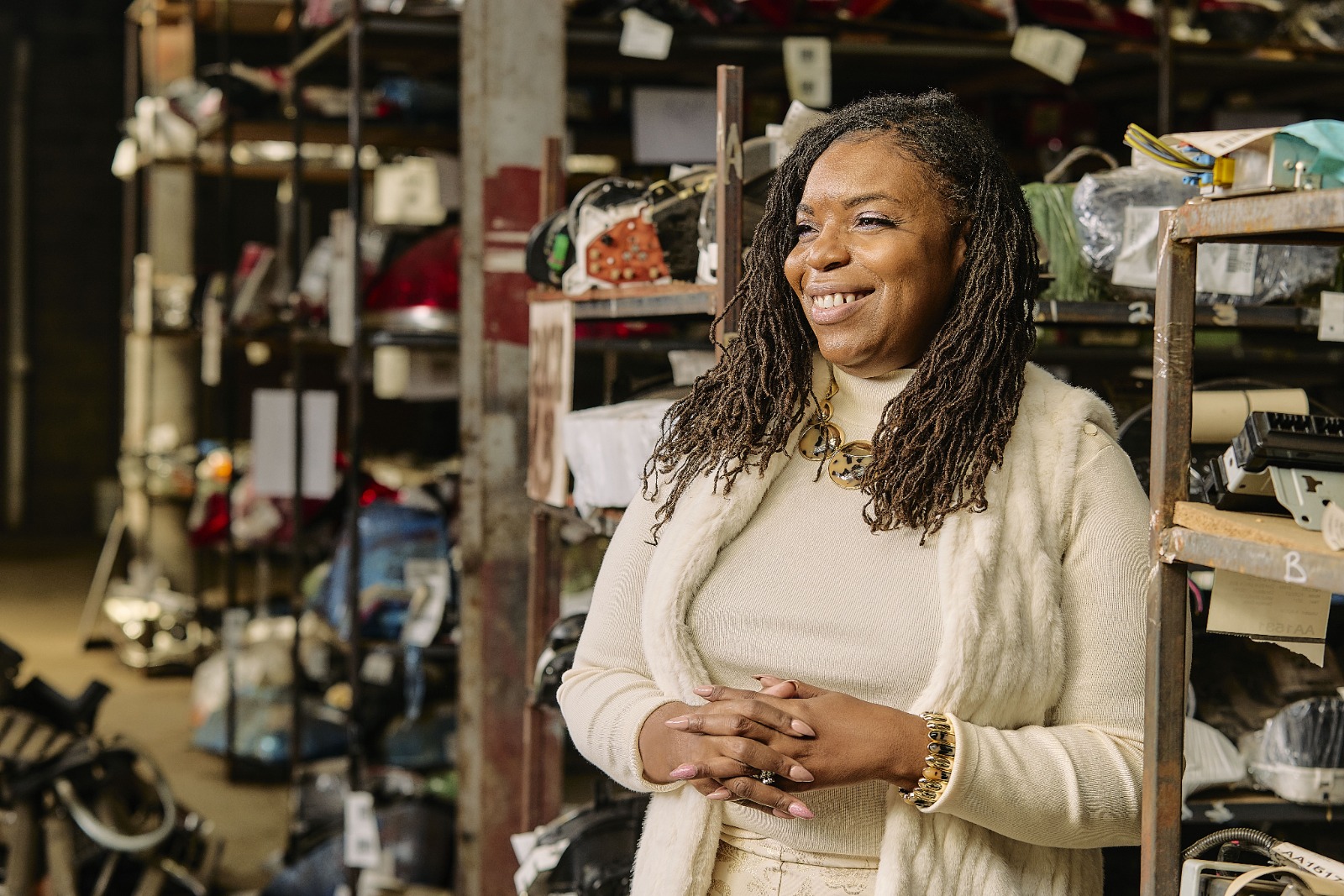

As AI becomes business infrastructure, new federal data raises questions about whether small operational businesses can keep pace.
MILWAUKEE, WI, UNITED STATES, August 11, 2026 /EINPresswire.com/ — Artificial intelligence is moving beyond technology companies and corporate offices into warehouses, repair shops, manufacturing facilities, logistics operations, and recycling businesses. But as AI becomes a more common part of everyday business operations, new U.S. Census Bureau data suggests that smaller companies may be at risk of falling behind larger firms.
The question is larger than technology adoption. If AI becomes a competitive advantage available primarily to large corporations, small manufacturers, recyclers, repair businesses, contractors, suppliers, logistics companies, and other community based businesses could face a widening gap in responsiveness, productivity, and access to usable business information. That puts pressure on the local businesses, jobs, and services communities depend on.
Between December 2025 and May 2026, overall business AI use hovered between 17 percent and 20 percent, according to the U.S. Census Bureau’s Business Trends and Outlook Survey. Thirty seven percent of firms with at least 250 employees reported using AI in their business operations. During the same period, AI use increased among firms with at least 20 employees but did not change significantly among businesses with fewer than 20 employees.
The divide could shape more than which companies adopt new software. If larger companies gain faster access to information, greater capacity, and more responsive systems while smaller firms struggle to implement the same tools, it could influence which businesses win customers, attract workers, compete for contracts, and remain locally owned.
Natasha Broxton sees that challenge from inside an industry rarely centered in conversations about artificial intelligence. Broxton is the founder and CEO of Select Auto Parts & Sales, a 125,000 square foot indoor automotive recycling operation in Milwaukee. The company manages vehicles, used parts inventory, customer inquiries, dismantling, warehousing, transportation, and the daily flow of information required to keep those operations moving.
At Select Auto Parts, Broxton has introduced AI enabled and automated workflows to improve how customer inquiries are captured and followed up, make operational information easier to organize, and create more consistent processes when work would otherwise depend on manual follow up. The focus is practical: use technology to help people work with the information the business already generates.
“People hear artificial intelligence and often picture a technology company,” Broxton said. “I picture the businesses repairing cars, moving freight, manufacturing products, recycling materials, and serving customers every day. These businesses have real problems to solve and valuable information sitting inside their operations. They should be part of the AI conversation too.”
The workforce conversation is beginning to move in the same direction. In April 2026, the U.S. Department of Labor launched its AI in Registered Apprenticeship Innovation Portal, giving employers and workforce organizations resources to build AI literacy and incorporate AI related skills into Registered Apprenticeship programs. The portal includes industry specific training resources for advanced manufacturing and other sectors, along with pathways for updating existing apprenticeship programs to include AI skills.
The development is significant because many of the workers most affected by the next phase of AI adoption may never work for a technology company. They may work in manufacturing, transportation, construction, repair, recycling, infrastructure, healthcare, or other industries where experience and skilled labor remain essential.
For small business owners, Broxton believes the starting point does not have to be an expensive technology overhaul. Many companies already generate useful information through customer calls, inventory records, estimates, photographs, emails, sales activity, service requests, schedules, and years of operating experience. The opportunity is to make that information easier to use when employees and owners are making decisions.
That matters to communities because independent businesses do more than provide products and services. They employ local workers, train people, support families, develop future business owners, and circulate economic activity through their communities. If smaller firms cannot build the capacity to use emerging technology, the consequences could extend to local ownership and economic opportunity.
“The next chapter of AI will not only be written in Silicon Valley,” Broxton said. “It will also be written inside warehouses, repair shops, manufacturing facilities, recycling operations, and family owned businesses across America.”
Broxton now speaks to business leaders, associations, chambers, workforce organizations, and industry groups about practical AI implementation and what leaders can do to prepare their organizations for a changing economy.
For interviews, keynote presentations, and executive workshops with Natasha Broxton, visit AlituraGroup.com/speaking.
About Natasha Broxton
Natasha Broxton is an award winning CEO, entrepreneur, speaker, and AI consultant who helps business leaders apply artificial intelligence to real business challenges. She is the founder and CEO of Select Auto Parts & Sales in Milwaukee and the founder of Alitura Group. Her work focuses on practical AI implementation, business visibility, operational improvement, and helping leaders prepare their organizations for change.
Media Contact
Natasha Broxton
Alitura Group
hello@alituragroup.com
414 763 2475
AlituraGroup.com/speaking
Natasha Broxton
Alitura Group
+1 414-763-2475
email us here
Visit us on social media:
LinkedIn
Instagram
Facebook
YouTube
TikTok
Legal Disclaimer:
EIN Presswire provides this news content “as is” without warranty of any kind. We do not accept any responsibility or liability
for the accuracy, content, images, videos, licenses, completeness, legality, or reliability of the information contained in this
article. If you have any complaints or copyright issues related to this article, kindly contact the author above.

Media gallery