
Texas Lawmakers Prepare Diverse Legislative Agenda for 2027 Session
As Texas lawmakers begin filing bills for the 2027 legislative session, several Houston-area representatives and senators are preparing to introduce legislation on issues ranging from soaring water bills and data center development to school attendance and repealing private school vouchers.…

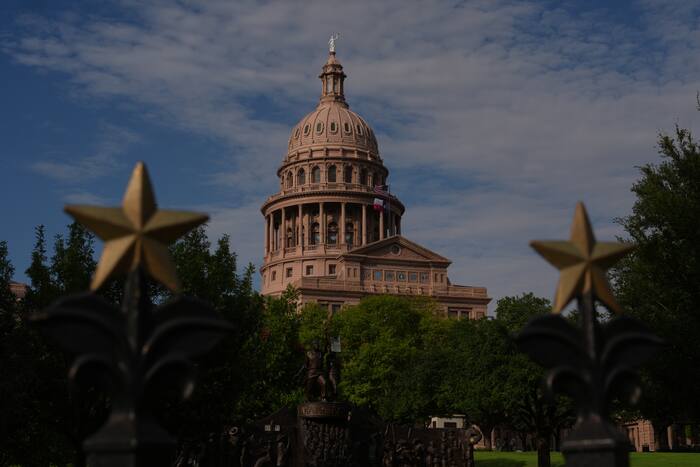
 Houston, TX, November 8, 2026 — As the 2027 Texas legislative session approaches, lawmakers, particularly those representing the Houston area, are gearing up to introduce a range of bills addressing pressing state concerns. The forthcoming legislation is expected to cover diverse topics, including the rising cost of water bills, the regulation of data center development, school attendance policies, and the potential repeal of private school voucher programs.
These legislative preparations signal a proactive approach by local representatives and senators to tackle issues that impact their constituents and the state. The proposals are designed to address a variety of public interests, such as ensuring consumer protection, clarifying local government authority over industrial projects, and shaping educational and healthcare policies.
The trend summary indicates that the bills filed will reflect a variety of concerns. For instance, some legislation may focus on consumer protection, aiming to address issues like escalating water rates that affect households across the state. The development of data centers, a growing industry, is also slated to be a subject of legislative attention, suggesting a desire to establish regulatory frameworks or incentives for this sector.
Furthermore, the legislative agenda includes provisions related to educational policy, with proposals concerning school attendance. Additionally, a significant point of discussion is expected to be the potential repeal of private school vouchers, a policy that has generated considerable debate regarding its impact on public education funding and student outcomes.
The context for these upcoming debates is described as a newly divided political landscape in the state legislature. This division may influence the nature of the proposed bills and the dynamics of their passage through the legislative process. The specific details regarding the exact number of bills, the names of the sponsoring lawmakers, or the precise timelines for committee hearings were not provided in the trend summary. The summary also did not specify the outcomes of any previous legislative attempts on these issues or the potential financial implications of the proposed legislation.
Story summarized from the original created by Christian Hudspeth on www.click2houston.com, see more information here.
Media gallery


