
Rising Temperatures Linked to Sleep Loss for Americans, Study Finds
A new study by Climate Central reveals that rising global temperatures are causing an increasing number of Americans, including those in Houston, to lose sleep.

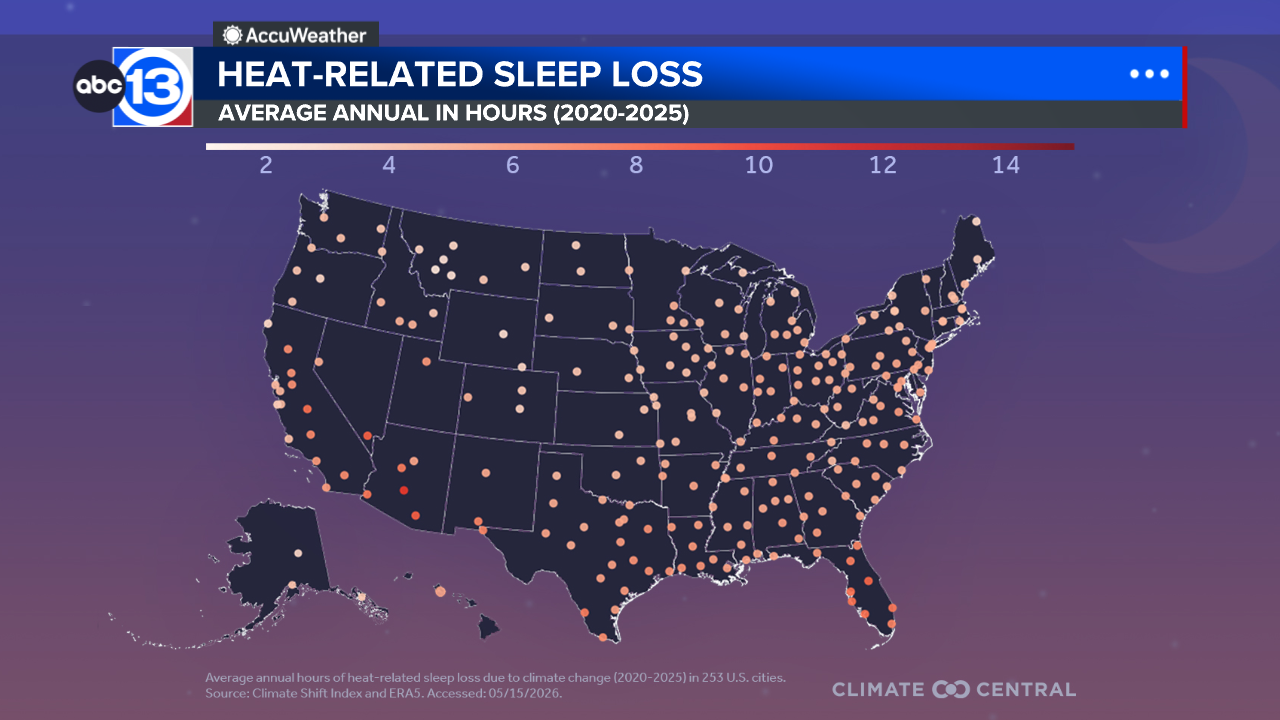
 Houston, TX, August 4, 2026 —
A growing number of Americans are experiencing reduced sleep due to rising global temperatures, according to a new study released by Climate Central. The research indicates a correlation between increasing average temperatures and a decline in sleep duration across the United States, with specific impacts noted in cities like Houston.
The study, which analyzed climate data and sleep patterns, suggests that hotter nights make it more difficult for individuals to achieve restful sleep. While the exact mechanisms are still being explored, factors such as increased body temperature and environmental discomfort are believed to contribute to sleep disruption. This phenomenon is not isolated to a specific region but is observed to be a widespread issue affecting various demographics across the country.
Climate Central’s findings point to a concerning trend where the effects of climate change extend beyond environmental concerns to impact public health and well-being. The study highlights that even small increases in nighttime temperatures can lead to significant reductions in sleep hours. This can have cascading effects on daily functioning, including cognitive performance, mood regulation, and overall health.
The research did not specify the exact number of individuals affected nationwide or the precise degree of sleep loss. However, it emphasizes that the trend is on the rise as global temperatures continue to climb. The implications for public health are significant, as chronic sleep deprivation is linked to a host of health problems, including cardiovascular disease, diabetes, and weakened immune function.
The study’s authors have not yet released detailed methodologies or specific data points regarding the number of Americans experiencing sleep loss or the projected increase in future sleep deprivation. Further research is anticipated to delve deeper into the localized impacts and potential mitigation strategies.
Story summarized from the original created by Elyse Smith on abc13.com, see more information here.
Media gallery


